
STAYING HYDRATED DURING THE SUMMER HEAT
A post from our Partners at Dementia Spotlight Foundation
Gary Joseph LeBlanc, Education Director
www.DementiaSpotlightFoundation.org
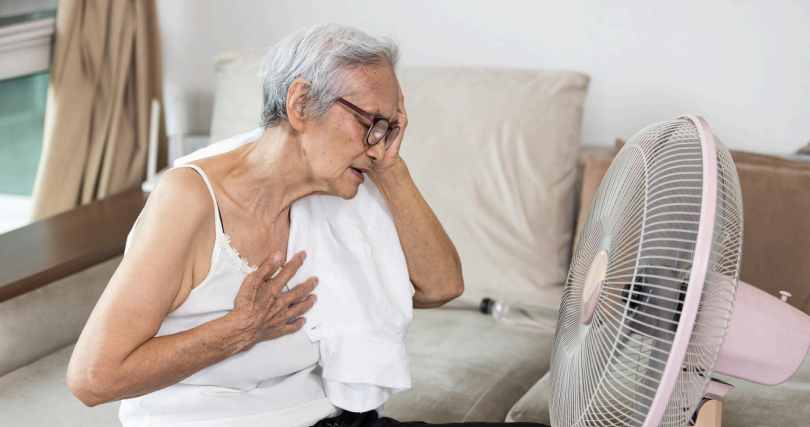
If you are caring for a loved one with dementia, dehydration will likely become a concern at some point. With my dad, dehydration was rarely an issue. My mom had a different story. I remember it as a daily battle—by the end, the only way I could get fluids into her was around her pills. “One more sip” became my refrain.
First, let me point out the symptoms of the mild to moderate stage of dehydration:
- Dry or sticky mouth and tongue
- Long periods between urinating
- Urine darker than normal
- Cool skin temperature
- Headaches
- Confusion
- Muscle cramps
If the dehydration becomes severe, the symptoms will most likely include:
- Not urinating at all and color of urine extremely dark
- Sleepiness, substantial confusion and irritability
- Dizziness, fainting
- Eyes sunken in their sockets
- A rapid heartbeat
When this happens, a trip to the emergency room may be necessary, where fluids can be administered through an I.V. One test I relied on at home was checking Mom’s skin for elasticity—what’s called skin turgor, or hydrostatic pressure. I’d gently pinch the skin on the back of her hand and pull it up slightly. I called it the “pop tent test.” Healthy skin springs back immediately; dehydrated skin doesn’t. The slower it returns to flat, the more dehydrated the body is.
The key is creativity. Clear liquids are ideal, but an uncooperative loved one calls for a different approach. Soup was a revelation for me—suddenly, getting fluids into my mom felt manageable. A glass of water was out of the question, but a cup of soup went down easily, especially when I told her I’d spent all afternoon making it from scratch. (Campbell’s, you saved us both.) Ice pops, Jell-O, fruit, and cereal are other options worth trying. None of these are perfect solutions, but some fluids are always better than none. And if you can get them to drink, Gatorade is an excellent choice.
Other red flags include fever, diarrhea, and unexplained sweating. It’s also worth checking the side effects and warnings on any medications they’re taking. Some common drugs—including certain blood pressure medications—contain diuretics, which increase urination and can accelerate dehydration faster than you might expect. As I stated above, be creative when dealing with dementia. Be patient but persistent. With Dad, then later with Mom, the phrase that became a tired refrain: “I already drank a cup,” spoken with the flat certainty of a fact long settled, though the cup sat full and untouched on the table beside them.
Check out these links for more Resources on Dementia & Caregiver Tools...
- Dementia Spotlight Foundation
- Monthly Caregiver Support Groups in Hernando County (1st Monday of the Month) Contact Gary for more information Gary@dementiaspotlightfoundation.org or call (352) 345-6270
- Monthly Connection Cafe for Caregivers & their loved one (4th Tuesday of the Month)
- Dementia Caregiver Seminar (hosted every November!) Click here for 2025 seminar resources.
- 211 Hernando (a database of health & human services)
- 988 (National Suicide & Crisis Prevention hotline # and website)